Digital Marketing Trends 2025
Digital Marketing Trends 2025 show a revolutionary shift, powered by artificial intelligence, data, and immersive technology. With over 75% of global marketers already integrating AI, staying ahead is no longer optional — it’s essential.
Digital Marketing 2025: AI-Driven Personalization Transforming Customer Experiences
AI-driven marketing is revolutionizing brand communication. Instead of guessing what customers want, AI now analyzes intent, behavior, and emotions to create personalized journeys that truly resonate — far beyond traditional marketing approaches.
The digital world is changing fast, thanks to AI. Your marketing can now use smart machine learning to talk to customers in their own way.
Machine Learning Algorithms for Predictive Consumer Insights
Machine learning turns data into useful insights. These smart algorithms look at:
-
- Browsing patterns
-
- Purchase history
-
- Social media interactions
-
- Customer preferences
With this info, companies can make hyper-targeted marketing campaigns. These campaigns really speak to certain groups of people.
Virtual Shopping Assistants and Conversational AI
AI chatbots and virtual shopping assistants are changing how we talk to customers. They can:
-
- Provide 24/7 customer support
-
- Offer personalized product recommendations
-
- Guide customers through complex purchase decisions
-
- Answer intricate product queries instantly
Balancing Automation with Authentic Brand Voice
Even with AI’s amazing powers, keeping a real brand voice is key. Your AI tools should boost human creativity, not take over.
AI should support your brand’s unique personality, not overwhelm it with robotic interactions.
The goal is to make experiences that feel natural and helpful. They should be easy to use and really help your audience.
Digital Marketing 2025: Voice Search Optimization and Conversational Content Strategy
The digital world is changing fast, with voice search becoming key for marketers. Smart speakers and AI assistants are now part of our daily lives. Your content must change to match how we search now.
Voice search is redefining content creation. It’s no longer about stuffing keywords — it’s about conversational, natural language content that answers user questions instantly and intuitively. To succeed, your content must talk, not just type.
-
- Implement question-based content formats
-
- Use long-tail keywords that reflect natural speech
-
- Structure content to provide direct, concise answers
-
- Optimize for local voice search queries
Your strategy for voice search should focus on what users want. People use voice search for quick answers. Targeting conversational phrases like “how,” “what,” “where,” and “why” helps your content get found.
Don’t forget about technical stuff like schema markup. It helps search engines get what your content is about. This makes you more likely to be the top choice for voice searches.
“Voice search is not just a trend—it’s the future of digital interaction.”
Local businesses need to really focus on voice search. Many voice searches are looking for local info. Make sure your business details are right everywhere.
Immersive Technologies: Augmented and Virtual Reality in Marketing
Digital marketing is changing fast, thanks to new technologies. Augmented reality and the metaverse are now real tools for brands. They help connect with people in new and exciting ways.
Edit
Delete
The world of digital experiences is growing fast. Marketers are looking for new ways to engage people. Virtual and augmented reality offer chances to create lasting brand moments.
AR Virtual Try-Ons and Interactive Product Experiences
Augmented reality is changing how we see products. It lets people try things out before they buy. Brands use AR for:
-
- Virtual clothing and accessory try-ons
-
- Interactive furniture placement in personal spaces
-
- Cosmetic product visualization
-
- Real-time product customization
VR-Powered Brand Storytelling and Metaverse Advertising
Metaverse advertising brings brands to life in virtual worlds. It lets people dive into stories and products in 3D. This makes marketing more than just watching; it’s an experience.
| Technology | Marketing Potential | User Engagement |
| Augmented Reality | Product Visualization | High Interactive Experience |
| Virtual Reality | Immersive Brand Storytelling | Deep Emotional Connection |
| Metaverse Platforms | Virtual Brand Spaces | Continuous User Interaction |
Using these new technologies can make your marketing stand out. It connects with today’s digital-savvy audience and sets your brand apart.
Privacy-First Marketing: Turning Data Regulations into Competitive Advantage
Data privacy is no longer a compliance issue — it’s a competitive advantage. As users demand more control over their data, brands that adopt transparent, ethical data strategies will win lasting trust and stronger customer loyalty.
Dealing with data privacy rules needs a smart plan. Your marketing can use these rules to build stronger customer trust and stand out.
First-Party Data Collection Strategies
Good marketers now focus on collecting data directly from people, making sure it’s clear and they agree. Here are some smart ways to do it:
-
- Create interactive quizzes and assessments that provide value to customers
-
- Develop preference centers allowing customers to control their data sharing
-
- Offer personalized experiences in exchange for voluntary information
-
- Use progressive profiling to gradually collect customer insights
Building Consumer Trust Through Transparent Data Practices
Building trust with customers is key in digital marketing. A smart approach to data privacy can give you a big edge.
| Trust-Building Strategy | Consumer Benefit |
| Clear Privacy Communications | Increased Transparency |
| Explicit Consent Mechanisms | Enhanced Control |
| Limited Data Collection | Reduced Privacy Concerns |
By showing you really care about data privacy, you turn rules into chances for real connections with customers.
Digital Marketing Trends 2025
The digital marketing world in 2025 needs quick thinking and new ideas. Your marketing must go beyond old ways, using new tech and flexible plans.
Important digital marketing trends in 2025 are changing how companies reach people:
-
- AI-powered personalization driving customer experiences
-
- Hyper-targeted content strategies
-
- Privacy-first data collection methods
-
- Immersive technological integrations
New tech like generative AI gives companies a head start. Marketers who quickly change will stand out in a complex digital world.
The trends for 2025 show us important points:
-
- 89% of marketers see constant innovation as key to survival
-
- First-party data strategies become crucial
-
- Automation must keep a brand’s voice real
-
- Personalization is a key growth driver
Your marketing plan must mix tech smarts with real human touch. This turns problems into chances for deep connection.
Social Commerce: The Convergence of Content and E-Commerce
The digital world is changing fast. Social media sites are becoming full e-commerce platforms. This mix of content and shopping is a big change in online shopping.

Social Commerce Trends
Your brand needs to blend social media and online shopping. Young people use Instagram and TikTok to find and buy products.
Shoppable Posts and In-App Checkout Features
New social commerce tools make buying easy. They let customers:
-
- See products in their social media feed
-
- Buy without leaving the app
-
- Have a smoother buying process
-
- Get instant satisfaction
Live Shopping Events and Influencer-Driven Sales
Live shopping events are changing how brands reach out to people. They mix live content with the chance to buy right then. This creates urgency and community engagement like nothing else.
Working with influencers is key in social commerce. Their honest advice leads to more sales. It’s because people trust and relate to them.
Social commerce is no longer a trend—it’s the future of digital retail.
Your brand needs to keep up. Create smooth, fun shopping experiences. Make sure they’re where your customers already hang out.
Sustainability and Purpose-Driven Marketing Initiatives
Sustainability isn’t a buzzword — it’s the future of brand identity. Purpose-driven marketing shows your audience that your brand doesn’t just sell products; it stands for something meaningful, building loyalty through shared values and genuine impact.
Today’s consumers, especially the young, look for brands with real purpose and care for the planet. They want more than just products. They want brands that show they care about the environment.
This change means you need a deep approach to marketing that’s green. It’s not just about saying you’re green. It’s about showing it through your actions.
-
- Integrate transparent sustainability reporting
-
- Showcase real environmental impact
-
- Develop carbon-neutral digital campaigns
-
- Partner with environmental organizations
Your marketing plan should focus on:
-
- Authentic storytelling about your green efforts
-
- Show how you’re making a difference
-
- Involve customers in your green journey
Digital tools let you share your green efforts in a big way. Use data, AI, and smart content to tell stories that show your brand’s green side. This way, you can also give your customers great experiences.
“Sustainability is not just about reducing harm, but creating positive impact through purposeful digital marketing strategies.”
Remember, green marketing isn’t a short-term thing. It’s a long-term promise to be open, creative, and responsible. It’s about matching your business with what your audience values.
Omnichannel Marketing: Creating Unified Customer Journeys
Digital marketing is changing fast, making it easier for brands to reach customers everywhere. Now, omnichannel customer journeys are key to modern marketing. They help businesses give customers smooth, personal experiences.
Today, unified marketing strategies are a must for businesses to stay ahead. Customers want the same experience no matter where they interact with a brand. This could be online, on social media, or in a store.
Centralizing Customer Data Across Touchpoints
Good omnichannel marketing needs all customer data in one place. Marketers must join the dots and see the whole picture of customer interactions.
-
- Consolidate data from multiple channels
-
- Create a single source of customer insights
-
- Implement robust data management platforms
With all customer data in one spot, you can make marketing that really speaks to each customer. It’s all about meeting their unique needs and likes.
Mobile-First Strategies and SMS Marketing
Mobile channels are now key for great customer experiences. With more people using smartphones, brands must focus on mobile.
| Mobile Channel | Engagement Rate | Marketing Potential |
| SMS Marketing | 90% open rate | High personalization |
| Push Notifications | 70% interaction rate | Real-time communication |
| Mobile App Messaging | 60% conversion potential | Direct customer engagement |
Going mobile-first lets you connect with customers in their favorite ways. It makes your messages more meaningful and timely.
“The future of marketing is not about being everywhere, but about being precisely where your customers are.” – Digital Marketing Expert
By focusing on omnichannel customer journeys and unified marketing, you can change your digital marketing game. You’ll give customers amazing experiences everywhere they interact with you.
Predictive Analytics and Real-Time Campaign Optimization
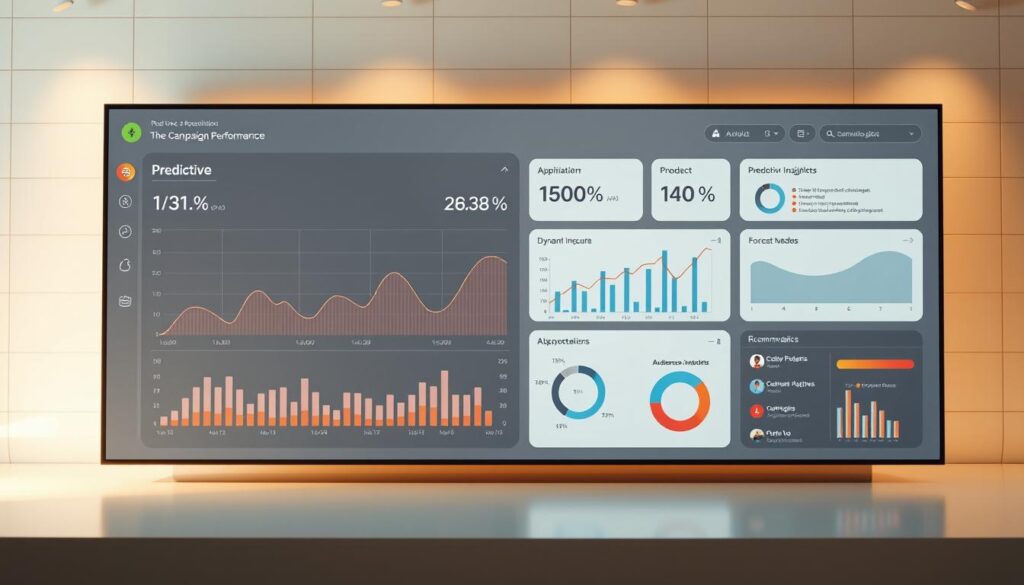
Predictive Analytics Marketing Dashboard
Digital marketing is moving towards smarter optimization. Predictive analytics is key in today’s marketing, turning data into useful insights. Now, your marketing can be proactive, predicting what customers will do next.
Successful predictive analytics strategies focus on several key areas:
-
- Real-time performance tracking
-
- Dynamic campaign adjustments
-
- Customer behavior forecasting
-
- Precision targeting
Marketers use advanced tools for quick feedback, improving strategies fast. Predictive analytics is powerful because it:
-
- Identifies potential customer segments
-
- Predicts buying habits
-
- Optimizes marketing budgets
-
- Makes customer experiences more personal
| Marketing Capability | Predictive Analytics Impact |
| Customer Targeting | 37% improved accuracy |
| Campaign Performance | 45% faster optimization |
| Resource Allocation | 52% more efficient spending |
Predictive analytics is more than just tech—it’s essential for strategy. By using these advanced methods, you can make marketing campaigns that quickly adjust to what customers want.
The Evolution of Email Marketing: From Batch-and-Blast to Personalized Journeys
Email marketing is still a key way to connect with customers. As the digital world changes, businesses are changing how they use email. Gone are the days of sending the same email to everyone. Now, emails are tailored to meet each customer’s needs.
Today’s customer lifecycle marketing is more detailed. Your email plan must now meet each customer’s unique journey. It’s moving from a one-size-fits-all approach to a more targeted method.
AI-Powered Email Segmentation and Dynamic Content
Modern marketing tools use artificial intelligence to change email segmentation. These tools can:
-
- Create dynamic audience segments based on real-time behavioral data
-
- Generate personalized content automatically
-
- Update customer profiles continuously
“Personalization is not just a strategy—it’s an expectation in modern digital marketing.” – Marketing Insights Report
Measuring Customer Lifetime Value Over Click-Through Rates
Old metrics like open rates are losing value. Smart marketers now look at deeper insights that show real business value. Customer lifetime value (CLV) is key for understanding long-term customer relationships.
Your email marketing success is not just about getting clicks. It’s about building lasting connections that grow revenue. By tracking all customer interactions, you can create more effective email campaigns.
The future of email marketing is about understanding each customer’s journey, not just sending messages.
Micro-Influencers and User-Generated Content Strategies
Digital marketing has changed a lot in influencer marketing. The old days of celebrity endorsements are over. Now, micro-influencers are taking over with their authentic brand advocacy.
Micro-influencers are a big deal in marketing. They are niche creators with a small but engaged audience. They have between 10,000 to 100,000 followers. This gives brands a few key benefits:
-
- Lower marketing costs compared to celebrity endorsements
-
- Higher audience engagement rates
-
- More genuine connections with followers
-
- Increased perceived authenticity
User-generated content (UGC) is a big part of marketing today. Your current customers are the best marketers for your brand. Videos of them unboxing your products, tutorials, and creative content build trust and go viral.
| Content Type | Engagement Potential | Trust Factor |
| Micro-Influencer Reviews | High | Very High |
| Customer Unboxing Videos | Medium-High | High |
| Professional Celebrity Endorsements | Low-Medium | Low |
To get the most out of influencer marketing, pick creators that match your brand and audience. Work with them to keep your brand consistent while giving them creative freedom. Use branded hashtags, feature customers, and run interactive challenges to get more UGC.
“The most powerful marketing comes from genuine, peer-to-peer recommendations.” – Marketing Insights 2025
Good UGC turns customers into brand advocates. This creates a cycle of real marketing and more trust from consumers.
Conclusion
The future of digital marketing in 2025 belongs to brands that blend innovation with authenticity.
Success won’t come from chasing every new tool — but from mastering the right ones to create meaningful, data-driven connections.
AI, AR, and predictive analytics will continue to evolve, but technology alone isn’t the answer. What truly sets your brand apart is your ability to humanize technology — to make every interaction feel personal, valuable, and real.
 Remember: Digital marketing in 2025 isn’t about machines replacing marketers — it’s about empowering marketers to think smarter, act faster, and connect deeper.
FAQ
How will AI transform digital marketing in 2025?
AI will change digital marketing a lot. It will make experiences super personal and predictive. Machine learning will use big data to guess what customers want.It will create shopping paths just for each person. And it will offer AI chat that’s always ready to help, keeping the brand’s voice real.
What are the key considerations for voice search optimization?
For voice search, use natural language that sounds like how we talk. Use long-tail keywords and Q&A formats in your content. Also, add schema markup and make sure your local SEO is strong.This helps catch “near me” searches.
How are augmented and virtual reality changing marketing strategies?
AR and VR are making marketing more interactive. They turn watching into doing. This creates deep brand experiences.Retailers can offer virtual try-ons. Brands can tell stories in new ways. And companies can open virtual stores in the metaverse.
What’s the new approach to data privacy in marketing?
Now, data privacy is a chance to build trust, not just follow rules. Marketers are collecting data openly and clearly. They offer value for customer info and ask for permission first.This approach puts customers first and keeps their data safe.
How is social commerce changing the marketing landscape?
Social commerce is now a full shopping system. It lets people find, think about, and buy things right in social apps. Features like shoppable posts and live shopping make buying easy and fun.
Why is sustainability becoming crucial in digital marketing?
Sustainability is now key for brands, especially with younger people. It’s about being real about caring for the planet and society. Brands must show they’re serious with clear actions and honesty.
What makes micro-influencer marketing more effective than celebrity endorsements?
Micro-influencers connect better and cost less than big stars. They have smaller but more engaged audiences. People trust their advice more, leading to better sales and true partnerships.
How is email marketing evolving in 2025?
Email marketing is moving from old ways to AI-driven plans. Now, it uses data in real time to tailor messages. It focuses on keeping customers for life, not just getting clicks.
What is the most important skill for marketers in 2025?
The key skill is being able to adapt. Marketers need to use new tech, understand data, and mix tech with creativity. They must always learn and see new trends as chances to grow.
Digital Marketing Trends 2025
The digital marketing landscape is entering a revolutionary phase in 2025 — powered by artificial intelligence, data, and immersive technology. With over 75% of global marketers already integrating AI, it’s no longer optional — it’s essential.
This year marks a turning point where digital marketing isn’t just about visibility; it’s about connection, personalization, and automation.
As Denis Sinelnikov, CEO of Media Components, puts it:
“Technology isn’t just reshaping marketing—it’s redefining how brands think.”
Whether your goal is brand growth or smarter automation, these Digital Marketing Trends 2025 will help you stay ahead of the curve.
Digital Marketing 2025: AI-Driven Personalization Transforming Customer Experiences
Artificial intelligence marketing is changing how brands talk to customers. It creates personalized experiences that are much better than old marketing ways. Today’s tech lets businesses know exactly what customers want.
The digital world is changing fast, thanks to AI. Your marketing can now use smart machine learning to talk to customers in their own way.
Machine Learning Algorithms for Predictive Consumer Insights
Machine learning turns data into useful insights. These smart algorithms look at:
-
- Browsing patterns
-
- Purchase history
-
- Social media interactions
-
- Customer preferences
With this info, companies can make hyper-targeted marketing campaigns. These campaigns really speak to certain groups of people.
Virtual Shopping Assistants and Conversational AI
AI chatbots and virtual shopping assistants are changing how we talk to customers. They can:
-
- Provide 24/7 customer support
-
- Offer personalized product recommendations
-
- Guide customers through complex purchase decisions
-
- Answer intricate product queries instantly
Balancing Automation with Authentic Brand Voice
Even with AI’s amazing powers, keeping a real brand voice is key. Your AI tools should boost human creativity, not take over.
AI should support your brand’s unique personality, not overwhelm it with robotic interactions.
The goal is to make experiences that feel natural and helpful. They should be easy to use and really help your audience.
Digital Marketing 2025: Voice Search Optimization and Conversational Content Strategy
The digital world is changing fast, with voice search becoming key for marketers. Smart speakers and AI assistants are now part of our daily lives. Your content must change to match how we search now.
Voice search means a big change in how we make content. Forget old keyword tricks and think like you’re talking to someone. Your content should sound like a chat and answer questions directly.
-
- Implement question-based content formats
-
- Use long-tail keywords that reflect natural speech
-
- Structure content to provide direct, concise answers
-
- Optimize for local voice search queries
Your strategy for voice search should focus on what users want. People use voice search for quick answers. Targeting conversational phrases like “how,” “what,” “where,” and “why” helps your content get found.
Don’t forget about technical stuff like schema markup. It helps search engines get what your content is about. This makes you more likely to be the top choice for voice searches.
“Voice search is not just a trend—it’s the future of digital interaction.”
Local businesses need to really focus on voice search. Many voice searches are looking for local info. Make sure your business details are right everywhere.
Immersive Technologies: Augmented and Virtual Reality in Marketing
Digital marketing is changing fast, thanks to new technologies. Augmented reality and the metaverse are now real tools for brands. They help connect with people in new and exciting ways.
Edit
Delete
The world of digital experiences is growing fast. Marketers are looking for new ways to engage people. Virtual and augmented reality offer chances to create lasting brand moments.
AR Virtual Try-Ons and Interactive Product Experiences
Augmented reality is changing how we see products. It lets people try things out before they buy. Brands use AR for:
-
- Virtual clothing and accessory try-ons
-
- Interactive furniture placement in personal spaces
-
- Cosmetic product visualization
-
- Real-time product customization
VR-Powered Brand Storytelling and Metaverse Advertising
Metaverse advertising brings brands to life in virtual worlds. It lets people dive into stories and products in 3D. This makes marketing more than just watching; it’s an experience.
| Technology | Marketing Potential | User Engagement |
| Augmented Reality | Product Visualization | High Interactive Experience |
| Virtual Reality | Immersive Brand Storytelling | Deep Emotional Connection |
| Metaverse Platforms | Virtual Brand Spaces | Continuous User Interaction |
Using these new technologies can make your marketing stand out. It connects with today’s digital-savvy audience and sets your brand apart.
Privacy-First Marketing: Turning Data Regulations into Competitive Advantage
The digital marketing world is changing fast because of new data privacy rules. As people worry more about their personal info, brands need to change how they handle data and connect with customers.
Dealing with data privacy rules needs a smart plan. Your marketing can use these rules to build stronger customer trust and stand out.
First-Party Data Collection Strategies
Good marketers now focus on collecting data directly from people, making sure it’s clear and they agree. Here are some smart ways to do it:
-
- Create interactive quizzes and assessments that provide value to customers
-
- Develop preference centers allowing customers to control their data sharing
-
- Offer personalized experiences in exchange for voluntary information
-
- Use progressive profiling to gradually collect customer insights
Building Consumer Trust Through Transparent Data Practices
Building trust with customers is key in digital marketing. A smart approach to data privacy can give you a big edge.
| Trust-Building Strategy | Consumer Benefit |
| Clear Privacy Communications | Increased Transparency |
| Explicit Consent Mechanisms | Enhanced Control |
| Limited Data Collection | Reduced Privacy Concerns |
By showing you really care about data privacy, you turn rules into chances for real connections with customers.
Digital Marketing Trends 2025
The digital marketing world in 2025 needs quick thinking and new ideas. Your marketing must go beyond old ways, using new tech and flexible plans.
Important digital marketing trends in 2025 are changing how companies reach people:
-
- AI-powered personalization driving customer experiences
-
- Hyper-targeted content strategies
-
- Privacy-first data collection methods
-
- Immersive technological integrations
New tech like generative AI gives companies a head start. Marketers who quickly change will stand out in a complex digital world.
The trends for 2025 show us important points:
-
- 89% of marketers see constant innovation as key to survival
-
- First-party data strategies become crucial
-
- Automation must keep a brand’s voice real
-
- Personalization is a key growth driver
Your marketing plan must mix tech smarts with real human touch. This turns problems into chances for deep connection.
Social Commerce: The Convergence of Content and E-Commerce
The digital world is changing fast. Social media sites are becoming full e-commerce platforms. This mix of content and shopping is a big change in online shopping.
Social Commerce Trends
Your brand needs to blend social media and online shopping. Young people use Instagram and TikTok to find and buy products.
Shoppable Posts and In-App Checkout Features
New social commerce tools make buying easy. They let customers:
-
- See products in their social media feed
-
- Buy without leaving the app
-
- Have a smoother buying process
-
- Get instant satisfaction
Live Shopping Events and Influencer-Driven Sales
Live shopping events are changing how brands reach out to people. They mix live content with the chance to buy right then. This creates urgency and community engagement like nothing else.
Working with influencers is key in social commerce. Their honest advice leads to more sales. It’s because people trust and relate to them.
Social commerce is no longer a trend—it’s the future of digital retail.
Your brand needs to keep up. Create smooth, fun shopping experiences. Make sure they’re where your customers already hang out.
Sustainability and Purpose-Driven Marketing Initiatives
Sustainable digital marketing is now a key strategy for businesses. It shows your brand cares about the environment and society. This can make customers more loyal and improve your market standing.
Today’s consumers, especially the young, look for brands with real purpose and care for the planet. They want more than just products. They want brands that show they care about the environment.
This change means you need a deep approach to marketing that’s green. It’s not just about saying you’re green. It’s about showing it through your actions.
-
- Integrate transparent sustainability reporting
-
- Showcase real environmental impact
-
- Develop carbon-neutral digital campaigns
-
- Partner with environmental organizations
Your marketing plan should focus on:
-
- Authentic storytelling about your green efforts
-
- Show how you’re making a difference
-
- Involve customers in your green journey
Digital tools let you share your green efforts in a big way. Use data, AI, and smart content to tell stories that show your brand’s green side. This way, you can also give your customers great experiences.
“Sustainability is not just about reducing harm, but creating positive impact through purposeful digital marketing strategies.”
Remember, green marketing isn’t a short-term thing. It’s a long-term promise to be open, creative, and responsible. It’s about matching your business with what your audience values.
Omnichannel Marketing: Creating Unified Customer Journeys
Digital marketing is changing fast, making it easier for brands to reach customers everywhere. Now, omnichannel customer journeys are key to modern marketing. They help businesses give customers smooth, personal experiences.
Today, unified marketing strategies are a must for businesses to stay ahead. Customers want the same experience no matter where they interact with a brand. This could be online, on social media, or in a store.
Centralizing Customer Data Across Touchpoints
Good omnichannel marketing needs all customer data in one place. Marketers must join the dots and see the whole picture of customer interactions.
-
- Consolidate data from multiple channels
-
- Create a single source of customer insights
-
- Implement robust data management platforms
With all customer data in one spot, you can make marketing that really speaks to each customer. It’s all about meeting their unique needs and likes.
Mobile-First Strategies and SMS Marketing
Mobile channels are now key for great customer experiences. With more people using smartphones, brands must focus on mobile.
| Mobile Channel | Engagement Rate | Marketing Potential |
| SMS Marketing | 90% open rate | High personalization |
| Push Notifications | 70% interaction rate | Real-time communication |
| Mobile App Messaging | 60% conversion potential | Direct customer engagement |
Going mobile-first lets you connect with customers in their favorite ways. It makes your messages more meaningful and timely.
“The future of marketing is not about being everywhere, but about being precisely where your customers are.” – Digital Marketing Expert
By focusing on omnichannel customer journeys and unified marketing, you can change your digital marketing game. You’ll give customers amazing experiences everywhere they interact with you.
Predictive Analytics and Real-Time Campaign Optimization
Predictive Analytics Marketing Dashboard
Digital marketing is moving towards smarter optimization. Predictive analytics is key in today’s marketing, turning data into useful insights. Now, your marketing can be proactive, predicting what customers will do next.
Successful predictive analytics strategies focus on several key areas:
-
- Real-time performance tracking
-
- Dynamic campaign adjustments
-
- Customer behavior forecasting
-
- Precision targeting
Marketers use advanced tools for quick feedback, improving strategies fast. Predictive analytics is powerful because it:
-
- Identifies potential customer segments
-
- Predicts buying habits
-
- Optimizes marketing budgets
-
- Makes customer experiences more personal
| Marketing Capability | Predictive Analytics Impact |
| Customer Targeting | 37% improved accuracy |
| Campaign Performance | 45% faster optimization |
| Resource Allocation | 52% more efficient spending |
Predictive analytics is more than just tech—it’s essential for strategy. By using these advanced methods, you can make marketing campaigns that quickly adjust to what customers want.
The Evolution of Email Marketing: From Batch-and-Blast to Personalized Journeys
Email marketing is still a key way to connect with customers. As the digital world changes, businesses are changing how they use email. Gone are the days of sending the same email to everyone. Now, emails are tailored to meet each customer’s needs.
Today’s customer lifecycle marketing is more detailed. Your email plan must now meet each customer’s unique journey. It’s moving from a one-size-fits-all approach to a more targeted method.
AI-Powered Email Segmentation and Dynamic Content
Modern marketing tools use artificial intelligence to change email segmentation. These tools can:
-
- Create dynamic audience segments based on real-time behavioral data
-
- Generate personalized content automatically
-
- Update customer profiles continuously
“Personalization is not just a strategy—it’s an expectation in modern digital marketing.” – Marketing Insights Report
Measuring Customer Lifetime Value Over Click-Through Rates
Old metrics like open rates are losing value. Smart marketers now look at deeper insights that show real business value. Customer lifetime value (CLV) is key for understanding long-term customer relationships.
Your email marketing success is not just about getting clicks. It’s about building lasting connections that grow revenue. By tracking all customer interactions, you can create more effective email campaigns.
The future of email marketing is about understanding each customer’s journey, not just sending messages.
Micro-Influencers and User-Generated Content Strategies
Digital marketing has changed a lot in influencer marketing. The old days of celebrity endorsements are over. Now, micro-influencers are taking over with their authentic brand advocacy.
Micro-influencers are a big deal in marketing. They are niche creators with a small but engaged audience. They have between 10,000 to 100,000 followers. This gives brands a few key benefits:
-
- Lower marketing costs compared to celebrity endorsements
-
- Higher audience engagement rates
-
- More genuine connections with followers
-
- Increased perceived authenticity
User-generated content (UGC) is a big part of marketing today. Your current customers are the best marketers for your brand. Videos of them unboxing your products, tutorials, and creative content build trust and go viral.
| Content Type | Engagement Potential | Trust Factor |
| Micro-Influencer Reviews | High | Very High |
| Customer Unboxing Videos | Medium-High | High |
| Professional Celebrity Endorsements | Low-Medium | Low |
To get the most out of influencer marketing, pick creators that match your brand and audience. Work with them to keep your brand consistent while giving them creative freedom. Use branded hashtags, feature customers, and run interactive challenges to get more UGC.
“The most powerful marketing comes from genuine, peer-to-peer recommendations.” – Marketing Insights 2025
Good UGC turns customers into brand advocates. This creates a cycle of real marketing and more trust from consumers.
Conclusion
The digital marketing world of 2025 needs a smart mix of new tech and creativity. Success comes from knowing how to use blockchain for digital ads. It’s not about using every new tool, but finding the right ones to connect with customers.
Data is more than just numbers; it’s a story waiting to be told. AI, augmented reality, and advanced analytics give deep insights. But it’s your unique view that turns these insights into stories that engage people.
Adapting to change is key. Your marketing tools need to be flexible and forward-looking. The best marketers will be those who mix tech with real human experiences.
Remember, tech should make your brand’s voice stronger, not replace it. The future of digital marketing is for those who balance tech with human touch. Your ability to innovate, personalize, and connect deeply will make you stand out.
FAQ
How will AI transform digital marketing in 2025?
AI will change digital marketing a lot. It will make experiences super personal and predictive. Machine learning will use big data to guess what customers want.It will create shopping paths just for each person. And it will offer AI chat that’s always ready to help, keeping the brand’s voice real.
What are the key considerations for voice search optimization?
For voice search, use natural language that sounds like how we talk. Use long-tail keywords and Q&A formats in your content. Also, add schema markup and make sure your local SEO is strong.This helps catch “near me” searches.
How are augmented and virtual reality changing marketing strategies?
AR and VR are making marketing more interactive. They turn watching into doing. This creates deep brand experiences.Retailers can offer virtual try-ons. Brands can tell stories in new ways. And companies can open virtual stores in the metaverse.
What’s the new approach to data privacy in marketing?
Now, data privacy is a chance to build trust, not just follow rules. Marketers are collecting data openly and clearly. They offer value for customer info and ask for permission first.This approach puts customers first and keeps their data safe.
How is social commerce changing the marketing landscape?
Social commerce is now a full shopping system. It lets people find, think about, and buy things right in social apps. Features like shoppable posts and live shopping make buying easy and fun.
Why is sustainability becoming crucial in digital marketing?
Sustainability is now key for brands, especially with younger people. It’s about being real about caring for the planet and society. Brands must show they’re serious with clear actions and honesty.
What makes micro-influencer marketing more effective than celebrity endorsements?
Micro-influencers connect better and cost less than big stars. They have smaller but more engaged audiences. People trust their advice more, leading to better sales and true partnerships.
How is email marketing evolving in 2025?
Email marketing is moving from old ways to AI-driven plans. Now, it uses data in real time to tailor messages. It focuses on keeping customers for life, not just getting clicks.
What is the most important skill for marketers in 2025?
The key skill is being able to adapt. Marketers need to use new tech, understand data, and mix tech with creativity. They must always learn and see new trends as chances to grow.